
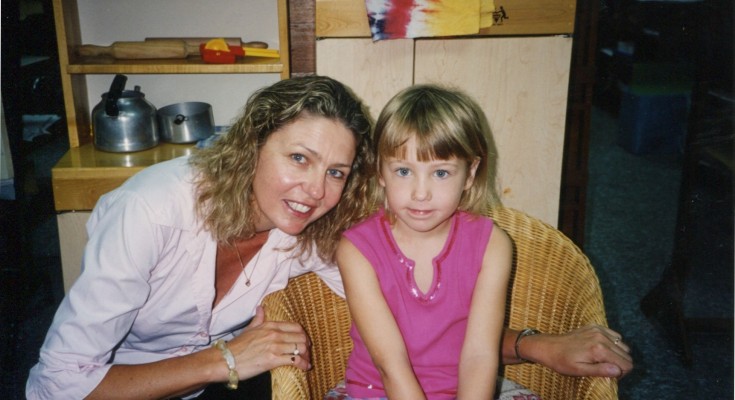
We were living in Jakarta, thousands of miles from our home country, when we took our daughter, Aspen, to the doctor with flu-like symptoms. We did not expect the diagnosis. A urine test revealed sugar, indicating diabetes mellitus.
Aspen, who was 7 years old, was rushed to Singapore, seated in business class with the doctor sitting next to her, and me, her mother, anxious, distraught and worried, sitting in the next seat. She was admitted to intensive care with ketoacidosis (acid in the blood) and was hooked up to all kinds of machines. We were told, “She does not produce insulin anymore. She has an autoimmune disease, and her own body has triggered a beta-cell crash. With Type 1 diabetes, she will be insulin-dependent all her life. This means having two to three injections plus seven blood tests a day.”

“Within just three hours, our daughter was medivaced on business class to Singapore.”
As parents, my husband and I had to learn fast. Our daughter would only be released from the hospital when we could both show the diabetic team that we were able to draw up insulin and inject Aspen. We had a crash course in nutrition with the diabetic educator team to understand food-insulin ratios, interpret food labels to calculate insulin doses, and how to handle future sick days. Aspen also had to pass a competency test to demonstrate she could self-inject.
In just three weeks, we were due to take off on a Bugis Schooner, the Ombak Putih, around Eastern Indonesia. We had to decide quickly whether we would still go, knowing we would be taking our daughter to remote islands without access to medical care.
I phoned the sailing charter company and spoke to the General Manager. He assured us the schooner had a satellite phone and could call a helicopter in an emergency. As long as we were confident and had everything we needed, they were happy to accept a child with a chronic illness, which we came to know as insulin-dependent Type 1 Diabetes. I will never forget how the manager handled my call – a fantastic response.
Six months later, this was not the case when we tried to enrol our daughter in a school holiday camp in Malaysia. She was rejected because the organisation did not have “an on-site nurse,” which they deemed absolutely necessary. Aspen was crushed. Luckily, that was the only time she was excluded from anything.
I quickly learned that planning is essential when travelling with a child with diabetes, so here are a few tips from my personal list of “must-do” items.
Medical Advice and Supplies
. Discuss travel plans and possible challenges with your doctor or diabetes team. These might include travelling in hot climates, crossing time zones, and adjusting insulin on days of travel.
. Obtain an extra insulin prescription with the correct medical name of the insulin needed and the dosage, plus contact information for your child’s doctor in emergencies.
. If you are crossing international borders, obtain a letter from your doctor explaining the need for syringes, lancing devices and an insulin pump, if you are using this device.
. If your child is using an insulin pump, ensure you understand basal rates, carbohydrate ratio and adjustment factors. Ask your diabetes team if it is possible to get a “loan pump” as a spare. Also, carry the pump supplier’s emergency contact numbers in case you need technical advice.
. Get advice from your doctor about what to do with your child’s pump if they are swimming or in the sun for long periods. Take written instructions on what to do on sick days or in emergencies, such as pump failure, as you may feel overwhelmed at the time. Refresh your memory on emergency requirements, such as how to use a glucagon hypo-kit.
. Pack a separate travel bag with supplies: extra insulin and needles to cover the journey, two glucose meters (and extra batteries), capped lancets, a glucagon emergency kit, ketone testing supplies, plenty of carbohydrate snacks and glucose (jelly beans or similar).
. Remember to always bring spare insulin (and spare pen devices), at least two to three times the normal amount your child would normally require during the same time frame.
. Changing your child’s routine may interfere with diabetes control, so check blood sugar levels more frequently. You will use twice as many glucose testing strips.
. Always split the supplies into two bags and, if possible, give one set to a travel companion in the event you become separated from your luggage.
. Extra excitement and even a hotter climate can increase your child’s risk of a hypo. Always carry extra glucose so you can treat any hypoglycemia symptoms on the spot.
Flying and Overseas Travel
. When crossing borders or taking planes and some other forms of transport, you need to show your doctor’s letter, so keep it handy.
. Keep all diabetes medicines and other supplies in their original pharmacy packages, including any prescription labels.
. All insulin must be carried in your hand luggage.
. Order diabetic meals when booking flights. If not available, bring your own meal on the plane. Be aware of restrictions when carrying liquids on board.
. If you are flying outside your home country, contact the embassies of the countries you are visiting to ask about any additional requirements for bringing diabetes supplies.
. Going through scanners and X-ray equipment will not affect diabetes devices or medicine. If your child has an insulin pump, show it to the screener before your child walks through the X-ray. Again, have your doctor’s letter handy at all times.
Other Preparations
. Write the words on a card for such phrases as “my child has diabetes” or “please can I have some sugar or orange juice,” in English and the language of the country you’ll be visiting. Carry this with you at all times. Photocopy all important documentation and give a copy to your travel companion to keep separately.
Meals and Food Supplies
. Check in advance about any meal arrangements. When we travelled by charter boat on a 10-day cruise, we contacted the cook in advance to ensure meal times were adhered to, including making sure our daughter’s meals came out first.
. Also, check in advance on food availability, in particular, the basic forms of carbohydrates eaten in the countries you are visiting.
Carry enough snacks for in-between meals, diabetic lows and unanticipated delays.
. Remember that heat and excitement can cause low blood glucose levels. Carry plenty of handy, individual carbohydrate packet snacks, a supply of jellybeans or lollies, and water.
. Teach your child to always carry a small backpack and be responsible for its contents.
Amusement Parks and Attractions
If you are visiting places such as amusement parks, call ahead. Find out what their policies are for visitors with diabetes. Some have rules against bringing backpacks or your own food and drink.
Many amusement parks cater to people with diabetes with a “special assistance pass.” This allows you to bypass long lines, which is important if following a strict meal schedule.
Water Intake and Foot Care
. Ensure sufficient fluid intake. Dehydration may slow insulin absorption, leading to high blood sugar levels.
. If possible, have your child wear covered shoes to avoid accidental injury, such as from broken glass or shells in the sand. Diabetics are at increased risk of infection, especially if blood sugar levels are high. It is advisable to visit a doctor if there are signs of infection present.
Being parents of a child with diabetes brought new responsibilities into our lives, but it never stopped us from travelling the world. Our journeys with our young daughter also included a 10-day road safari through Sumatra, a trip to Tana Toraja in South Sulawesi, a 10-day road-and-train trip across Java, a trip to India, and a trip to Vietnam. With careful planning and taking extra care, we learned that you can travel anywhere with your diabetic child. So, go forward with confidence, talk to your doctor before you go, and the rest becomes second nature in the end.
Story by Stephanie Brookes
Published 2002

