
How to Get There:
The easiest way to reach Sumba is to fly from Bali. There are daily flights from Bali (DPS) to Sumba’s two airports: Tambolaka Airport (TMC) in West Sumba and Waingapu Airport (WGP) in East Sumba. The flight duration is 1 hr 25 min (DPS-TMC) and 1 hr 45 min (DPS-WGP).
West Sumba or East Sumba?
West Sumba offers a wider selection of resorts with amenities, while East Sumba appeals to those seeking a more rugged and untamed travel experience. East Sumba is known for its vast savannah-like landscapes, a higher chance of seeing wild horses roaming freely, and opportunities to explore traditional village life.
Where to Stay
For those seeking a secluded luxury retreat with breathtaking ocean views and top-notch facilities, the Nihi Sumba (West Sumba) is a must-visit. Consistently awarded as one of the best hotels in the world, it offers exceptional high-end service and tailored activities, including horse riding on the beach and a personal surf instructor who can teach you to ride the world-class waves of Nihi.
For families, the Maringi Sumba Hotel (West Sumba) is a unique bamboo eco-stay where guests engage with local culture through village tours, weaving workshops, and ceremonies. It also doubles as a hospitality training school, providing on-site international chef training, education, and practical experience for students in the hospitality industry.
How to Get Around:
The safest and most comfortable option for exploring the island is to hire a driver. This is the ultimate way to discover the island’s remote areas and hidden gems, all while enjoying the comfort of a reliable vehicle on the varying road conditions. It also provides a unique opportunity to gain insights into the island’s ancient living culture. Buses are unreliable, leaving motorbike rental or cycling as the other option.
What to Experience:
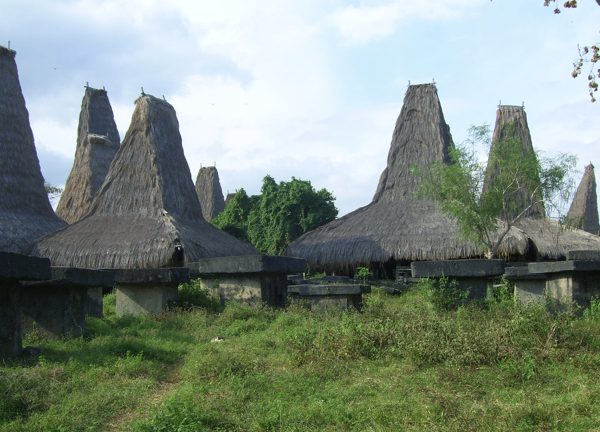
Unlike Bali, Sumba offers seclusion with few tourists. Wild horses roam the island, untouched paradise beaches and hidden waterfalls abound. Explore the tall thatched-roof traditional houses in Ratengggaro Village and the smaller weaving villages in both West and East Sumba. The endless rolling hills and sunset at Palindi Piarakuku and Wairinding Hill are a must, or take a float in Weekuri Lake’s clear turquoise lagoon, perched above the ocean.
Unique Culture:
Sumba is renowned for its megalithic culture, traditional practices, and ceremonies that are still practised today. The island’s Stone Age heritage is evident in Ratenggaro Village, where large stone structures stand. In Waikabubak, the capital of West Sumba, you will find significant megalithic sites, including stone tombs and ceremonial grounds. Lamboya Village and Kambera Prailiu Village are sights to behold, with giant megalithic tombs and ancient stone graves.
Stephanie Brookes
Published: Korean Air In-flight Magazine, Morning Calm: Sept 2024
Tour arrangements: send me an email at stephtravelwriter@gmail.com, and I will provide you with a specialised itinerary including places of interest, opportunities to engage with local culture, and unique offerings.

