
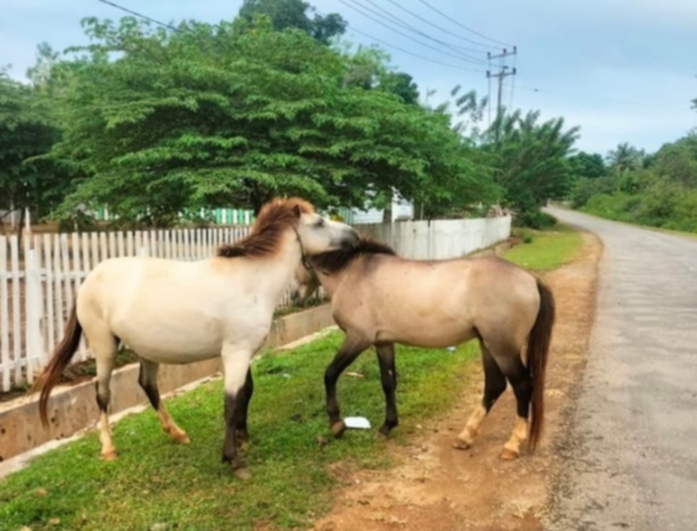
Some places feel discovered. Others feel remembered. Muna Island, off the coast of Southeast Sulawesi near Kendari, belongs firmly to the latter. Muna Island is not a place that sees many visitors, which is precisely why I went.
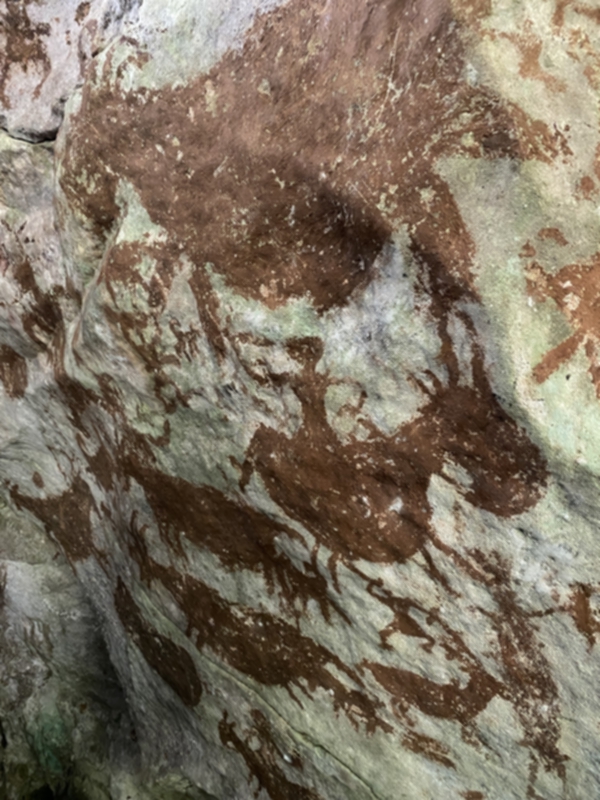
I met Mr. La Hada just outside Bolo village, at a cluster of prehistoric caves that seem to sit somewhere between myth and map. The island carries a pictorial history of an ancient horse culture. The caves are believed to date back tens of thousands of years, and some say as far as 39,000 years, placing them among the oldest traces of human life in this remote corner of Muna Island. They contain prehistoric rock art, etched in pigment on stone walls. It is the kind of place where history feels less like something recorded and more like something still lingering in the air.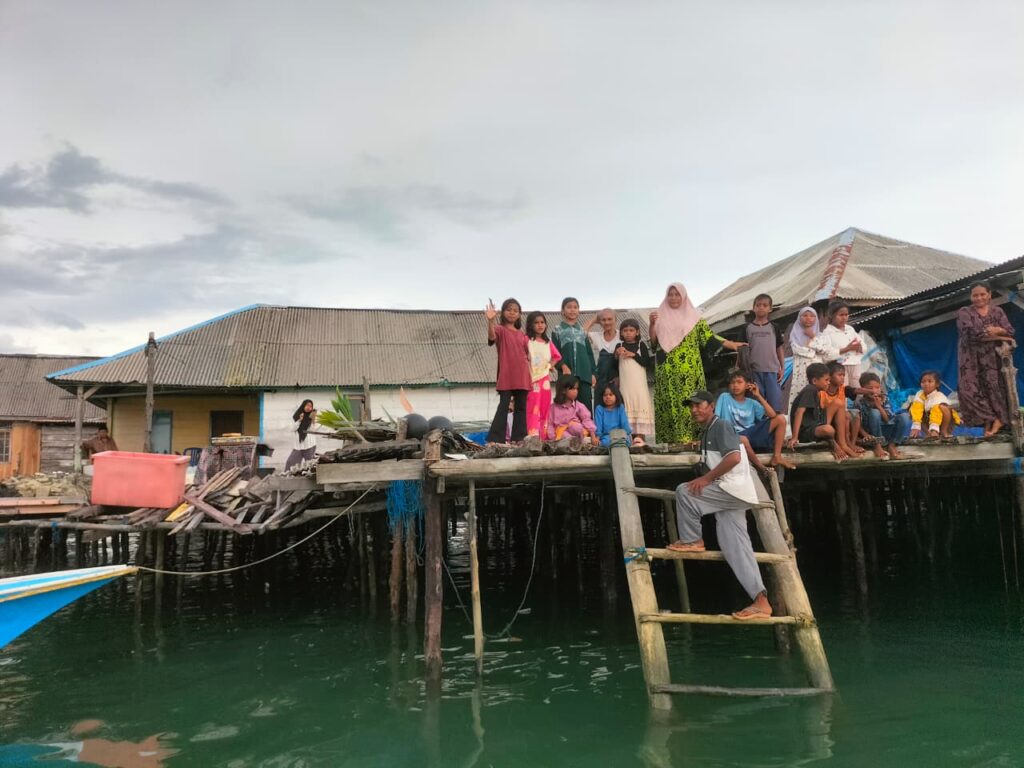
“Thank you for coming,” Mr. La Hada said warmly, extending a cave-dusted hand. “I have been the cave keeper here since 1992. We have 19 caves, but only nine are open to the public.”
From his bag, Mr. La Hada produced a well-thumbed visitors’ book. I signed, then flicked back through the entries. In five years, there were only 15 foreign names. I smiled. Clearly, I had come to the right place.
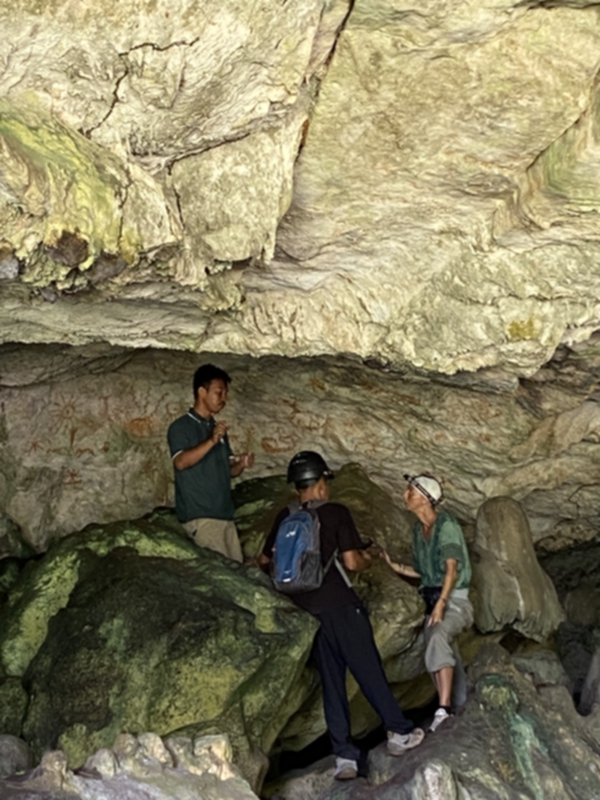
The first cave was a shallow overhang, its ceiling brushed with faded red drawings. Simple yet deeply expressive, stick-like figures depicted daily life: people, horses, pigs, dogs, and hand stencils.
The second cave was larger, darker, and cooler, opening into a 20-metre chamber filled with green shadows. Stalactites dripped from above, and stalagmites rose like silent sentinels. Here, the drawings felt more complex. Dogs and pigs appeared again, along with bold depictions of the sun and large horse-like creatures, some with riders perched on their backs. It was impossible not to pause and wonder who these people were, and what stories they were trying to preserve.
Before I could linger too long, I noticed a small crowd forming behind me. A few locals had gathered, curious about the unexpected foreigner wandering their caves. This became a familiar pattern over the next few days. Wherever I went, a ripple of excitement followed, accompanied by a trail of kids.
Conversations unfolded quickly, even across language gaps. There were questions, laughter, and requests for photos. Not one or two, but at least five, each from a slightly different angle. Selfies were taken with enthusiasm, everyone jostling for position. And just like that, strangers became friends. Goodbyes were never rushed. They came with smiles, waves, and often heartfelt hugs. Indonesia reminds me, again and again, that warmth is a universal language.
Eventually, Mr. La Hada guided me on. As we walked, he explained that Indonesian archaeologists, including teams from Jakarta, became active in studying the caves after the country’s independence back in 1945. Before then, the caves were largely unknown beyond local communities.
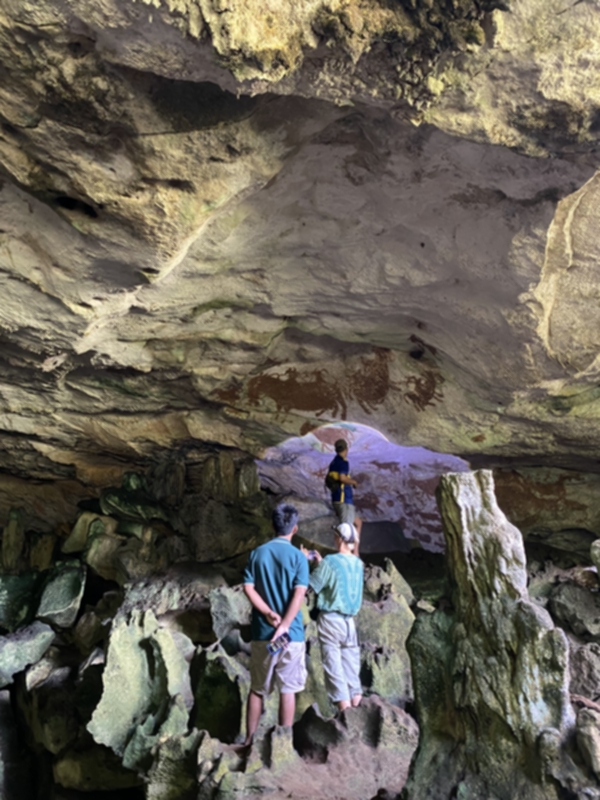
“These caves are special,” he said. “There are 316 drawings and hand stencils. But also, there are spirits.”
I glanced at him, unsure whether this was folklore or a fact.
“We call them jins, or djinn,” he continued. “They come most afternoons. Mischievous. They throw stones and sometimes larger rocks. There are several of them. I must be patient.”
Naturally, I asked if one had ever jumped into him.
“Oh no,” Mr. La Hada said quickly. “They are afraid of me.”
“And what time do they come?” I asked.
“Around four in the afternoon,” he replied, glancing at the light. “About now.”
It did seem rather quiet. Still, I found myself walking a little faster towards the exit. Near the cave entrance, I passed a small offering, food laid carefully beside a white flag on a pole.
“The spirits like this,” Mr. La Hada said.
I nodded and picked up my pace. It was nearly afternoon tea time—and possibly jin hour.
The following day brought a different kind of anticipation. Just outside Raha, billboards announced a stallion fighting event as part of the Muna Island Festival. I had been told it was an ancient tradition, a ritualised contest where male horses fight for the attention of a prized female. It sounded dramatic and entirely worth seeing.
When I arrived, however, something was missing: the horses.
My guide explained that Muna horses are not domesticated. They roam wild and are sometimes difficult to locate. So we waited.
In the meantime, I was ushered into a large tent and seated in a VIP chair. A procession of officials soon followed, including legislative members, the Chief of Police, the Bupati (regent), and other dignitaries. Before I could fully take it in, I was invited to sing karaoke. Alas, I cannot sing, so I declined. Speeches followed, lasting nearly 45 minutes, while lunch boxes were handed out with impressive efficiency. Throughout it all, I seemed to be the main attraction for the local paparazzi. Phones appeared, photos were taken, and I wondered how I had somehow become part of the programme.
Then came music, long ballads sung by officials in pressed uniforms. Still no horses, though.
Eventually, the announcement came that the stallion fight was cancelled. Plan B was a traditional boat race, and just like that, the day shifted.
The races were lively and full of humour. I spent the afternoon mingling with an eclectic mix of people, friendly policemen, candy floss vendors, and even a group of punk rockers with mohawks and studded leather. Muna Island, it turns out, has range. By the end of the day, I had gained at least 20 new Facebook friends.
On the drive back, just as the light softened, I spotted it. A wild horse, half-hidden in the jungle, quietly grazing. There it was, the elusive Muna stallion. No audience. No referee. No schedule. Just freedom.
Earlier, I had heard about Danau Fotune Rete, also known as Lake Fotunerete, which is surrounded by forests and limestone landscapes, not far from the grazing grounds. It was also etched in legend, a remote place which the locals spoke of in quiet tones, much like the wild horses of Muna Island—belonging as much to legend as to land.
As I continued through the island’s quieter villages, I noticed a different rhythm. Children giggled and darted behind houses, peeking out with shy curiosity. These small moments have stayed with me.
Muna Island may not offer polished tourism or predictable attractions, but it gives something far more memorable. Authentic encounters, unexpected stories, and a sense that you are experiencing a place exactly as it is. And sometimes, if you are lucky, a wild horse will appear—entirely on its own terms.
Stephanie Brookes
Published Indonesia Expat May 2026
Photography – Aspin, Muna Island, Sulawesi, Indonesia
Tour arrangements: send me an email at stephtravelwriter@gmail.com, and I will provide you with a specialised itinerary including places of interest, opportunities to engage with local culture, and unique offerings.

