
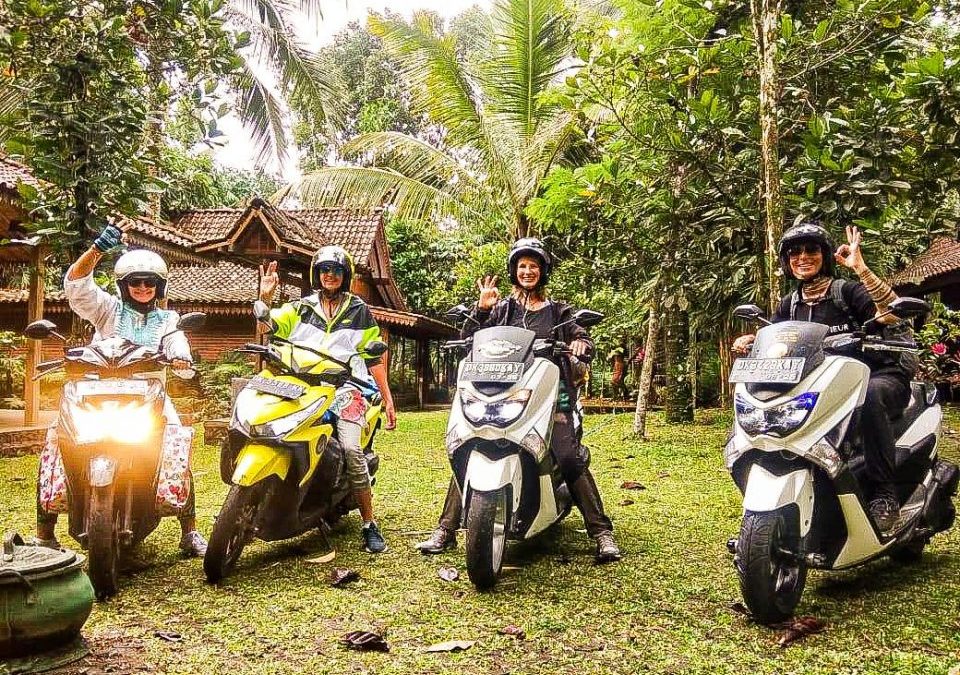
I live in Bali, where a motorbike is more than transport. It is freedom on two wheels. Salt in your
hair, heat on your skin, the island unfolding around every bend. So one afternoon, half joking,
half restless, I said it out loud: what if we just rode? No guide. No real plan. Just a loose line on a
map. Bali to East Java.
Three women said yes.
That is how it starts. A spark. A yes. Then suddenly you are four women straddling motorbikes,
engines humming, ready to go.
Julie, a skilled mapper, worked out the route. We stayed three nights in each place and kept the
riding manageable. Anne, a German expat, took the back as our steady sweeper. The rest of us
found our rhythm in between.
We left Ubud early, Julie leading, having mapped the route offline in case we lost signal in the
wilds of Java. None of us had done motorbike touring before. None of us knew Java or what the
roads would be like. Before we left, we swapped passport copies, insurance details, and
emergency contacts. Then we rode.
We laughed into our helmets, nerves fizzing underneath. “Banyuwangi-bound…” we said
together. Soon, the traffic thinned. The air cooled as we climbed toward Munduk. After lunch,
we rode on to Pemuteran, and somewhere along that stretch, the island loosened its grip. The
road opened. I felt it in my chest, that lift, that lightness. Freedom.
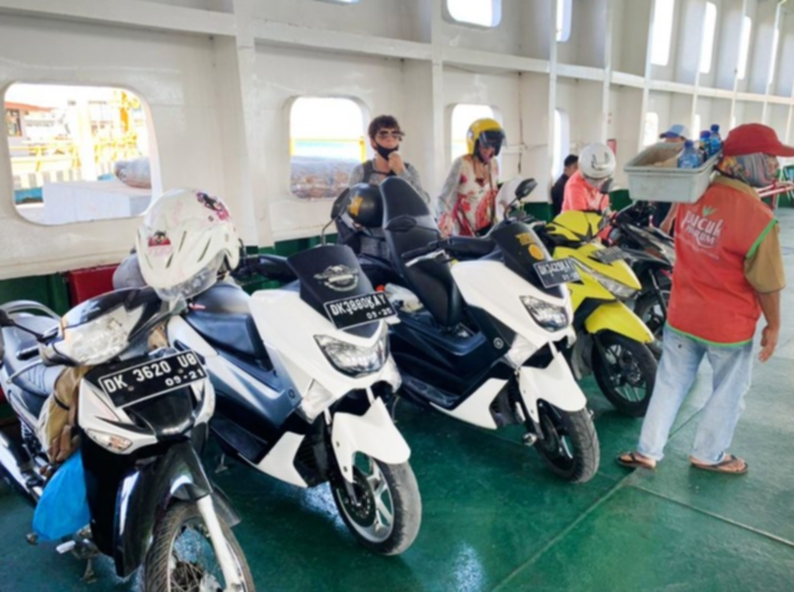 The next morning we rode to Gilimanuk and boarded the ferry. When buying tickets, the vendor
asked where our guide was. “We don’t have one,” we said. He looked puzzled. “Where is your
guy?” to which we replied, “No guy. Just us.” He handed over the tickets with a bemused smile,
added, “You are very brave, Ibu,” and promptly radioed ahead to the ferry staff, instructing them
to look after us. Four bule women on motorbikes, crossing alone, it clearly was not common.
Thirty minutes later, we arrived in Java and rode toward the Ijen volcano complex. That night,
we barely slept. At 3:30 am, we met our guide in the hotel lobby and drove to the Ijen Crater
trailhead. Headlamps on, we climbed in darkness for two hours. At the crater rim, the world
opened. The acid lake glowed an impossible blue below us. The air was thick with sulphur. We
pulled on gas masks and descended carefully into the crater.
Sulphur miners passed us, bent under heavy, bright yellow loads of sulphur. We had hoped to see
the famous blue flame, but alas, it had rained that night, and the blue flame had extinguished
itself. Still, experiencing the bowels of the crater felt like being inside the earth’s breath, and to
see the stunning turquoise blue of Ijen Crater, from the crater rim was a sheer delight.
We stayed in the Ijen Crater region for three days, exploring by jeep, then returned to the
motorbikes. A rhythm formed. Ride. Stop. Eat. Ride again.
Next came Baluran National Park on Java's far eastern edge. A vast savannah stretched out
before us, golden and wild. We hired a jeep and a ranger for three days, trading our bikes for an
open-air ride across the plains.
The first wildlife we spotted was a group of barking deer, shy at first. When they saw us, they
bolted, their barking calls flailing off into the distance. Then a banteng (a type of rare cattle)
appeared, standing solid and still, rare, powerful, and unmistakable. The landscape felt like a
slice of Africa.
At one point, we told the driver to stop. Without thinking, we jumped out and ran across the
savannah toward a lone tree, ignoring a “do not cross” sign. Our driver wailed at us, but we were
already halfway there, laughing like kids, startling birds into flight. It felt reckless and alive.
Later, we had lunch at Bama Beach inside a wire cage. Outside, bold macaque monkeys
clambered over the structure, watching us eat and studying us intensely. Clever, hungry, and
intrigued by our presence, they made it feel like we were the ones on display. We devoured our
lunch as quickly as possible, signalled to the driver when we were done, and made a mad dash to
our vehicle, glad to get away from a bunch of bold, opportunistic long-tailed macaques.
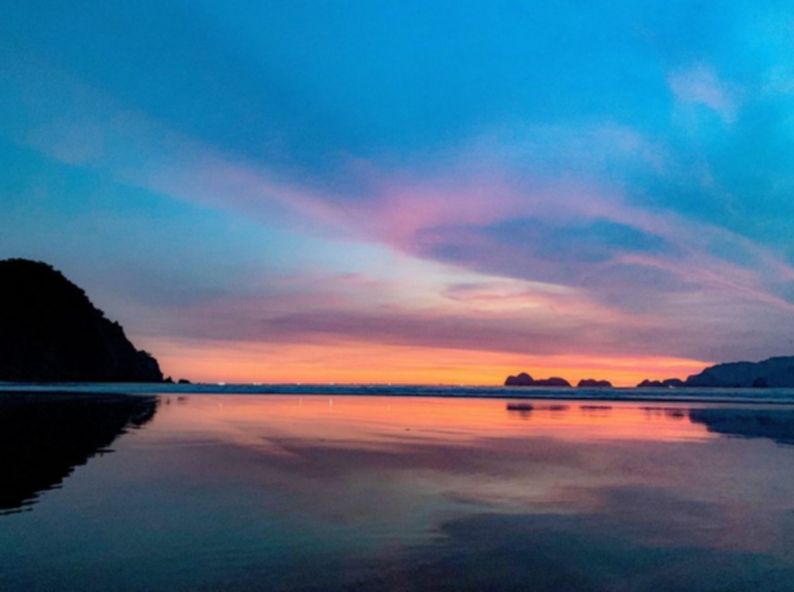 After three days in Baluran, it was time to ride again. We kept our riding to a maximum of four
hours a day. With another eight days ahead, there was no rush. The roads were rough in places,
cracked and winding through mountain terrain, but every turn brought something unexpected.
We cruised slowly through rice fields that spread for miles, interrupted by high cornfields and
ground-cover peanut crops. Shifting greens.
Bright purple dragon fruit vines spilled over fences, greeting us in one small Javanese town, and
the daily call to prayer echoed across the villages and towns we passed through. A sound I find
so exotic and alluring. Children waved as we passed, as if we were part of a parade. Crossing
into East Java felt like entering another world. Quieter. Deeper. The land rising against volcanic
shadows.
We rose early every morning. We left at dawn. Engines starting. That quiet moment before
movement. Then, hands on throttle, we moved into rhythm and formation, wind sailing past, and
the road stretching ahead. Sometimes we rode close together, sometimes apart, but always
connected by that thin ribbon of asphalt.
Without a guide, every decision was ours. Every wrong turn, every perfect one. We navigated by
instinct as much as maps. We stopped at roadside warungs for coffee, asked for directions in
broken Bahasa with smiles, and trusted strangers and ourselves.
By the time we reached Alas Purwo National Park, something had shifted. Dust on our skin. Sun
in our bones. A quiet confidence had settled in. Our final stretch afforded some luxury. Three
days of beachside luxury glamping in beautifully appointed canvas tents, safari style. Evening
beach barbecues, empty shores and wild beaches, and walks through some of Java’s oldest
forests. We took a boat trip across the National Park wetlands and visited a turtle hatchery, where
we released baby turtles into the sea. Evenings were slow and social, food, drinks, stories shared
under open skies.
Then it was time to head to Banyuwangi and take the ferry back to Bali.11 days and every
kilometre earned. Somewhere between the roar of engines and the silence of wide landscapes, we
changed. We were not just travelling anymore. We were free. Mission accomplished: four
women, no guide, no guy, just us and the road.
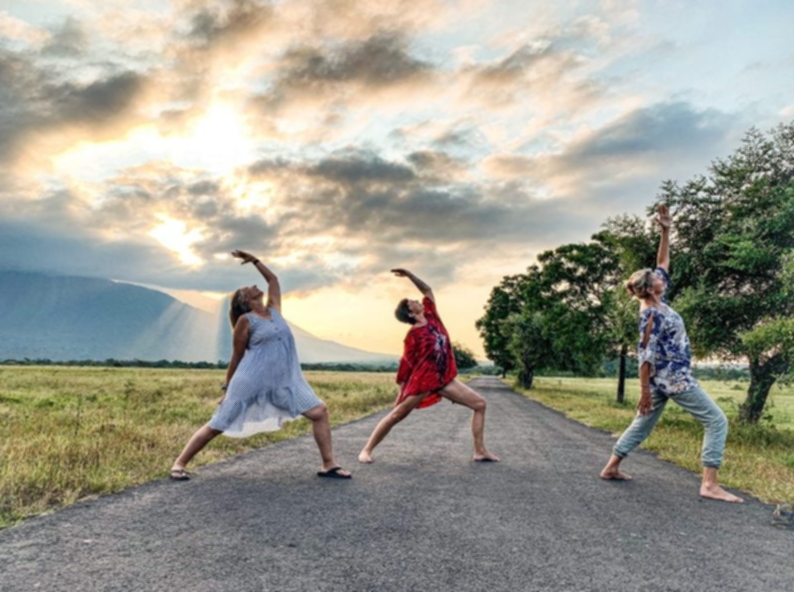
Tips for Independent Female Travel
**It’s generally safe for women to travel solo in Indonesia. Like everywhere else, the key is to
always be aware of your surroundings.
**Many places in Indonesia are not pedestrian-friendly. Even on sidewalks, watch for
motorbikes, as riders may use the sidewalk to cut through traffic.
**Always keep your bags close to your body when walking. Some bag-snatchers can even grab
your handbags from motorbikes, so it’s safer to sling them across your front rather than just over
your shoulder.
**Avoid public displays of affection.
**Wear a more conservative outfit when visiting local markets, villages, and more importantly,
religious sites. Do not wear short shorts. Watch how local women dress and follow suit.
**Consumption, possession, and distribution of drugs are serious criminal offenses in Indonesia,
punishable by imprisonment or even the death penalty.
**Avoid walking alone in deserted or dark alleys. Indonesians are very friendly, and if you ask
someone to escort you, they usually will.
**If you get cat-called, just ignore it and walk by. Don’t cause a scene.
**Some regions in Indonesia are more conservative than others. If it’s a Muslim-dominated
Island you are visiting, the dress code will be more conservative, so make sure you get enough
information about that specific place before you go. Don’t assume everywhere is like Bali.
Updated October, 2026

